Managing debt becomes much easier when there is a clear plan and a positive mindset. Debt consolidation offers an organized approach that combines multiple payments into a more manageable structure, helping people stay focused on their financial goals. By following practical habits and making informed decisions, it becomes possible to reduce financial stress while creating a stronger path toward long-term stability. Small improvements made consistently can lead to meaningful progress and greater confidence in handling personal finances.
Understand Your Financial Situation
A complete understanding of your current financial position helps create a realistic action plan.
- List every outstanding balance.
- Review monthly income and expenses.
- Identify unnecessary spending habits.
- Set realistic financial priorities.
- Monitor payment due dates regularly.
- Track progress with simple financial records.
Build A Practical Repayment Strategy
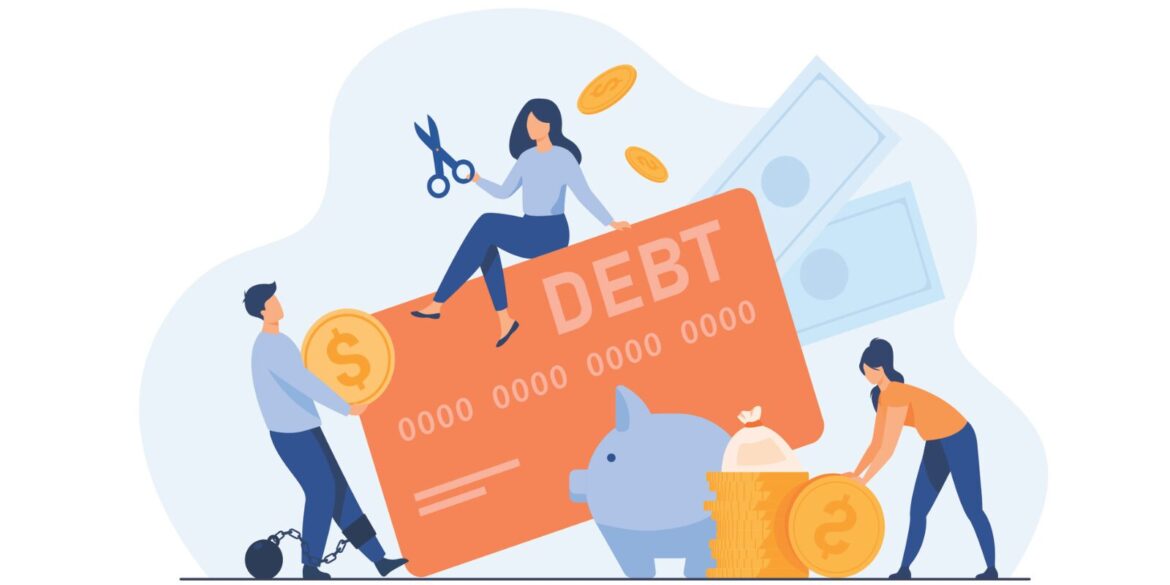
A structured repayment plan increases consistency and makes financial management less overwhelming. When people organize their obligations carefully, they often find it easier to stay committed and avoid missed payments. A thoughtful strategy encourages better budgeting while allowing gradual improvement over time.
- Create a monthly repayment schedule.
- Allocate funds before discretionary spending.
- Focus on steady payment habits.
- Review your plan every month.
- Celebrate small financial milestones.
- Adjust the budget when income changes.
Strengthen Budgeting Habits
A healthy budget supports every stage of successful debt management. Looking for opportunities to reduce unnecessary expenses can free additional funds for repayment without sacrificing important financial needs. Consistent budgeting also improves overall money management skills.
- Separate essential and optional expenses.
- Save receipts for better tracking.
- Reduce impulse purchases.
- Build an emergency savings habit.
- Review recurring monthly costs.
- Plan purchases in advance.
Make Smart Financial Decisions
Financial success often comes from making careful choices rather than rushing into quick solutions. During the repayment journey, using consolidation as part of a well-planned financial strategy can simplify responsibilities while supporting better organization and long-term financial confidence.
- Compare available repayment options carefully.
- Read every financial agreement thoroughly.
- Focus on affordable monthly commitments.
- Keep financial goals realistic.
- Stay informed about repayment progress.
- Maintain consistent communication when needed.
Develop Long-Term Financial Confidence
Managing debt successfully is not only about paying balances but also about creating habits that support future financial stability. Learning from each step helps improve decision-making and encourages responsible money management for years to come.
- Continue reviewing financial goals.
- Increase savings whenever possible.
- Avoid unnecessary borrowing.
- Practice disciplined spending habits.
- Maintain organized financial records.
- Stay motivated by tracking achievements.
Conclusion
Successful debt consolidation is built on planning, consistency, and smart financial habits. By understanding personal finances, following a structured repayment strategy, maintaining a balanced budget, and making informed decisions, managing debt becomes more achievable. Every positive step contributes to stronger financial confidence, improved organization, and greater peace of mind. With patience and commitment, lasting financial progress is well within reach, making future goals easier to achieve while supporting a healthier financial lifestyle.