Water leaks have a habit of hiding in the least convenient places, behind walls, under slabs, or deep beneath the yard, quietly causing damage long before anyone notices a problem. By the time a leak becomes visible, it’s often already caused far more damage than if it had been caught early. Knowing the warning signs and understanding when to bring in professional help can save you from a much bigger repair bill down the line.
Early Warning Signs of a Hidden Leak
Hidden leaks rarely announce themselves outright, but they usually leave clues if you know what to look for. A noticeable increase in your water bill without any change in usage habits is one of the most common indicators. Damp patches on walls, ceilings, or flooring, especially in areas without an obvious water source nearby, are another sign worth investigating. Knowing how to find a water leak detection specialist in Perth comes in handy once homeowners notice musty smells, unexplained mould growth, or the sound of running water when no taps are in use.
Outdoors, unusually lush or soggy patches of lawn, especially during dry weather, can point to a leak in underground pipes feeding your home or garden.
DIY Leak Checks You Can Do Yourself
Before calling in a professional, there are a few simple checks homeowners can do themselves. One of the most reliable is the water meter test: turn off all taps and water-using appliances in the house, then check your water meter. If the meter continues to move even with everything switched off, it’s a strong indication that water is leaking somewhere in the system.
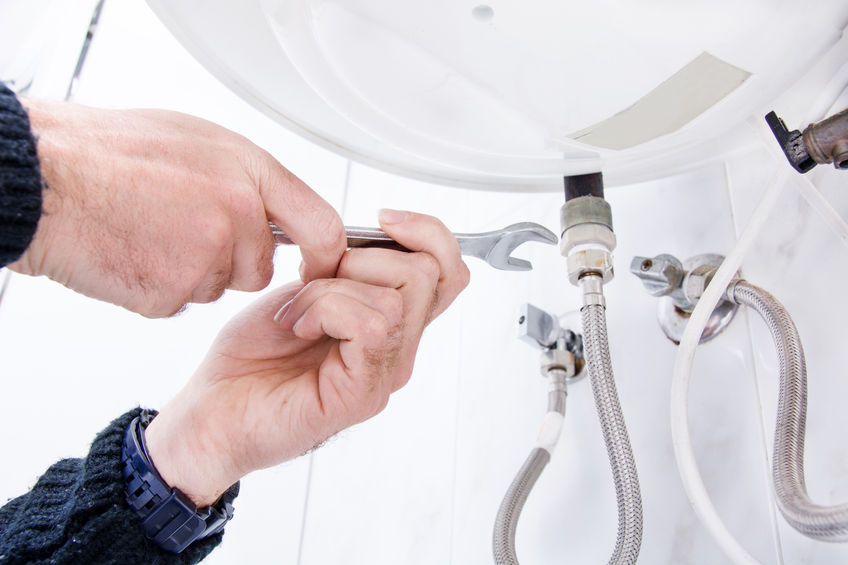
Visually inspecting exposed pipes under sinks, around toilets, and near your hot water system can also reveal obvious drips or moisture. Checking for unexplained puddles or damp spots around these areas is a quick way to catch some leaks before they escalate.
Why Some Leaks Need Professional Detection Equipment
Not all leaks are visible or accessible through a simple inspection. Leaks hidden behind walls, under concrete slabs, or in underground pipes require specialized equipment to locate accurately without unnecessary digging or demolition. Acoustic listening devices, thermal imaging cameras, and other non-invasive detection tools allow professionals to pinpoint a leak’s exact location before any repair work begins.
Attempting to locate these types of leaks without the right equipment often leads to guesswork, unnecessary property damage, and repairs that don’t actually address the source of the problem.
What Happens During a Professional Leak Detection Visit
A professional leak detection visit typically starts with a discussion of the symptoms you’ve noticed, followed by a systematic inspection using specialized equipment to narrow down the likely location. Depending on the suspected source, this might involve pressure testing the plumbing system, using acoustic equipment to listen for the sound of escaping water, or thermal imaging to spot temperature differences caused by moisture.
Once the leak’s location is confirmed, the technician can discuss repair options, which might range from a straightforward pipe repair to more involved work if the leak is in a hard-to-reach area.
Preventing Future Leaks
While not every leak can be prevented, a few habits can reduce the risk. Keeping an eye on your water bill for unexplained increases, scheduling periodic plumbing inspections, and addressing minor issues like slow drips before they worsen all help catch problems early. Older homes with aging pipes benefit especially from regular checks, since pipe corrosion and wear become more likely over time.
Acting Early Saves More Than Money
Water leaks rarely stay small for long. What starts as a minor drip can quietly turn into structural damage, mould growth, or a significantly higher water bill if it goes unnoticed for too long. Paying attention to early warning signs, doing simple checks yourself, and bringing in a professional when something doesn’t add up can catch a leak long before it becomes a genuine disaster.